Alista Script
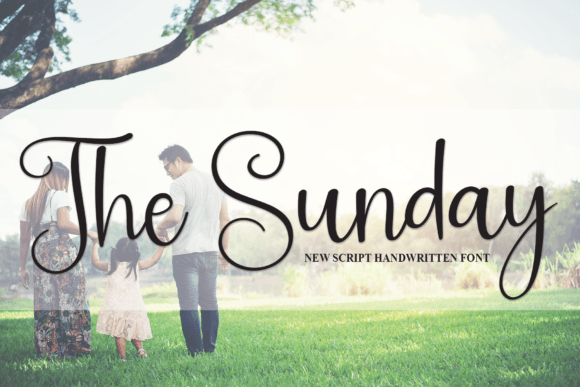
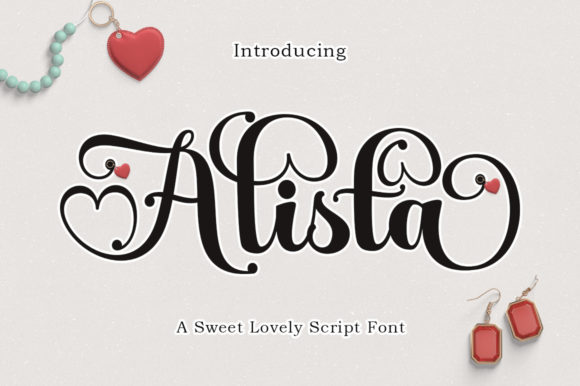
The first time I saw Alista Script, it felt like a whisper of elegance. It’s not the kind of font that shouts, but one that lingers in the mind. The letters flow with a natural rhythm, as if they were written by hand with care and intention. There’s a softness to its curves and a subtle weight to its strokes that immediately suggests a personal touch. This is not a font for everyone, but for those who want something that feels authentic, refined, and just a little bit special.
Alista Script belongs to the script handwritten category, which means it carries the visual language of handwriting. However, it doesn’t lean into the messy or chaotic side of that genre. Instead, it strikes a balance between organic and controlled. Its design is clean enough to work in professional contexts, yet expressive enough to feel genuine. That duality makes it a versatile choice for a wide range of projects—especially when you’re looking to add a touch of personality without sacrificing readability.
In logo design, Alista Script can be a powerful tool. It’s ideal for brands that want to convey warmth, creativity, or a personal connection. When paired with a sans serif font for contrast, it adds visual interest without overwhelming the overall design. For example, a boutique or artisanal brand might use Alista Script for their name while using a modern sans serif for supporting text. This creates a sense of balance and professionalism.
When it comes to packaging design, Alista Script can elevate the visual appeal of a product. It works particularly well on premium items such as stationery, candles, or handmade goods. The font’s elegant strokes give the packaging a tactile quality, making it feel more personal and less mass-produced. However, it’s important to test how it looks in black and white, especially if the packaging will be printed in monochrome. The contrast between light and dark areas should be clear and legible.
For editorial design, Alista Script can serve as a decorative accent rather than the primary typeface. It’s best used in headlines, pull quotes, or captions where a touch of flair is needed. When placed beside a serif or sans serif font, it can create a dynamic interplay of styles. But be cautious—overuse can make the design feel cluttered or unprofessional. Use it sparingly to maintain visual hierarchy and readability.
In web design, Alista Script has its limitations. While it looks beautiful in large sizes, it can become difficult to read at smaller scales. This makes it unsuitable for body text or long-form content. Instead, it’s better suited for headers, buttons, or call-to-action elements. Testing it on different screen sizes and resolutions is essential to ensure it maintains its clarity and charm across all devices.
Social media graphics are another area where Alista Script shines. Its flowing nature complements the informal tone of platforms like Instagram or Pinterest. Whether it’s a post headline, a tagline, or a signature, it adds a personal touch that resonates with audiences. However, because of its decorative qualities, it should be used carefully. Overuse can lead to a lack of focus or a cluttered layout.
One thing I’ve noticed about Alista Script is its ability to affect audience trust. Because it feels handcrafted, it can evoke a sense of authenticity and craftsmanship. This is particularly valuable for small businesses or independent creators who want to stand out in a crowded market. However, this same trait can also be a double-edged sword. If not used thoughtfully, it may come across as too casual or unprofessional for certain industries.
Readability is a key consideration when working with Alista Script. At larger sizes, it’s easy to read, but at smaller sizes, the thin strokes can become hard to distinguish. Always test it in various contexts—especially when using it for print or digital products that require close reading. Pairing it with a strong sans serif or serif font can help maintain clarity and support the overall design structure.
For designers, it’s important to consider commercial licensing before using Alista Script in client or business projects. Confirming that the font is available for commercial use ensures that your design assets remain legal and usable. Additionally, testing it alongside other fonts—such as a display font, a script font, or a handwritten font—can help you find the best font pairing for your specific project.
In summary, Alista Script is a creative font that brings a unique personality to any design. It’s perfect for projects that require a touch of elegance and individuality. Whether it’s for branding, packaging, or social media, its versatility and charm make it a valuable addition to any designer’s toolkit. Just remember to use it wisely—let it shine where it matters most.